
IRAN NEWS BULLETIN
No. 42 | 17–24 November 2026
[This bulletin documents only the most significant acts of persecution and human rights abuses which the BIC has noted during the reporting period. It does not include those routine acts of discrimination to which Bahá’ís in Iran, whether as individuals or as a community, are subjected on a daily basis. The information presented in each bulletin is based on information available at the time of writing and may have changed subsequently.]
1. Bahá’í Family’s Home Searched in Yazd and Son Arrested
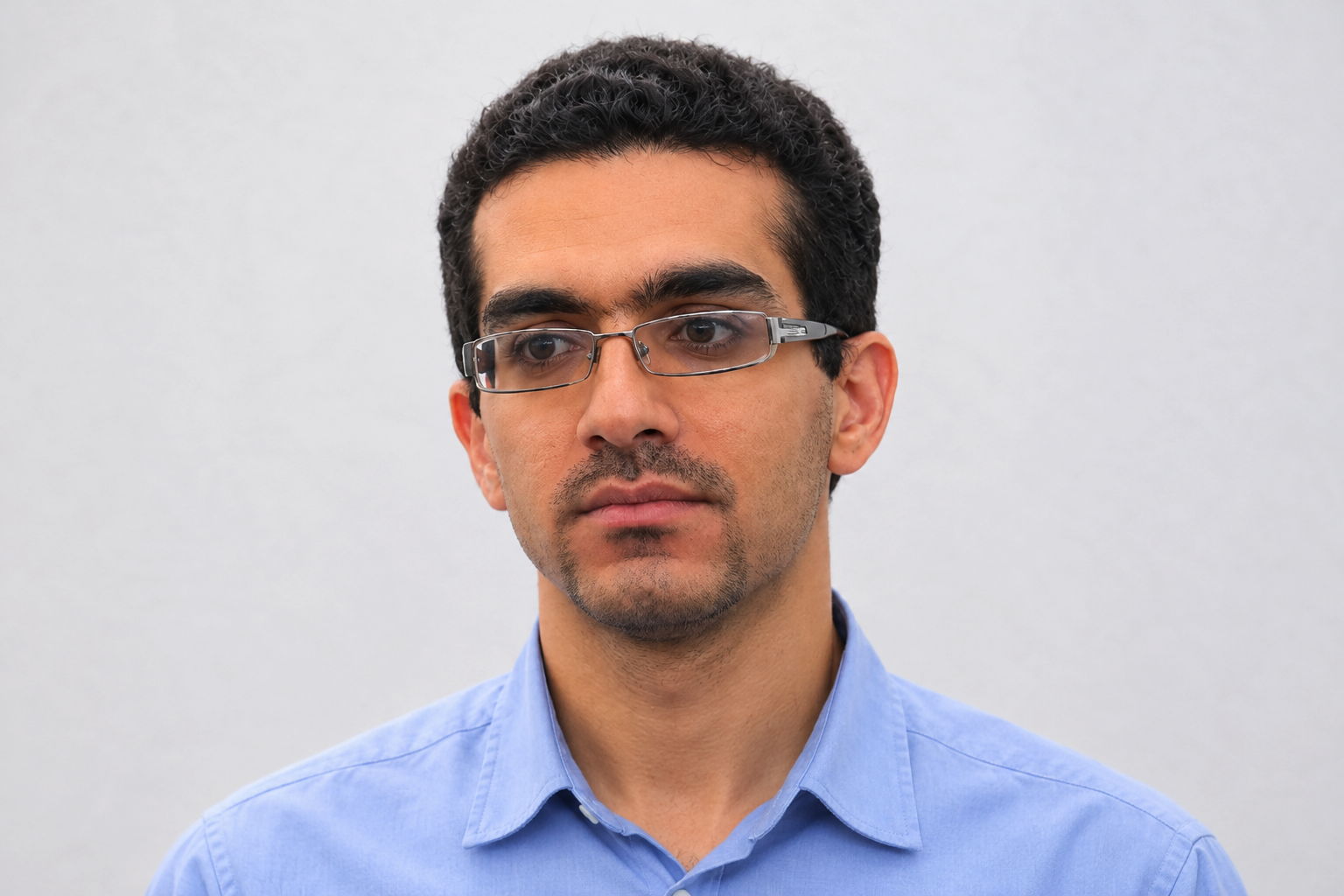
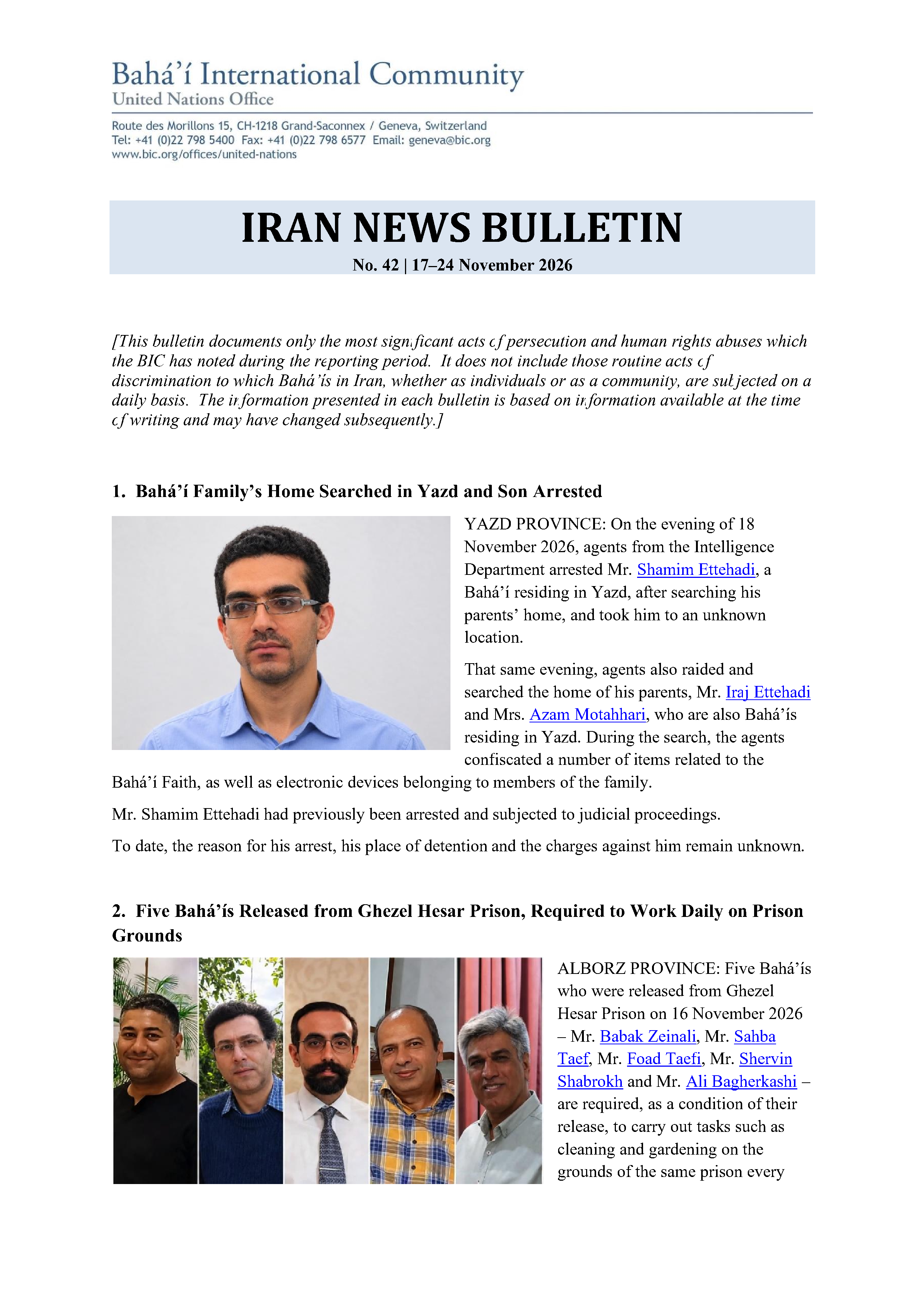
YAZD PROVINCE: On the evening of 18 November 2026, agents from the Intelligence Department arrested Mr. Shamim Ettehadi, a Bahá’í residing in Yazd, after searching his parents’ home, and took him to an unknown location.
That same evening, agents also raided and searched the home of his parents, Mr. Iraj Ettehadi and Mrs. Azam Motahhari, who are also Bahá’ís residing in Yazd. During the search, the agents confiscated a number of items related to the Bahá’í Faith, as well as electronic devices belonging to members of the family.
Mr. Shamim Ettehadi had previously been arrested and subjected to judicial proceedings.
To date, the reason for his arrest, his place of detention and the charges against him remain unknown.
2. Five Bahá’ís Released from Ghezel Hesar Prison, Required to Work Daily on Prison Grounds
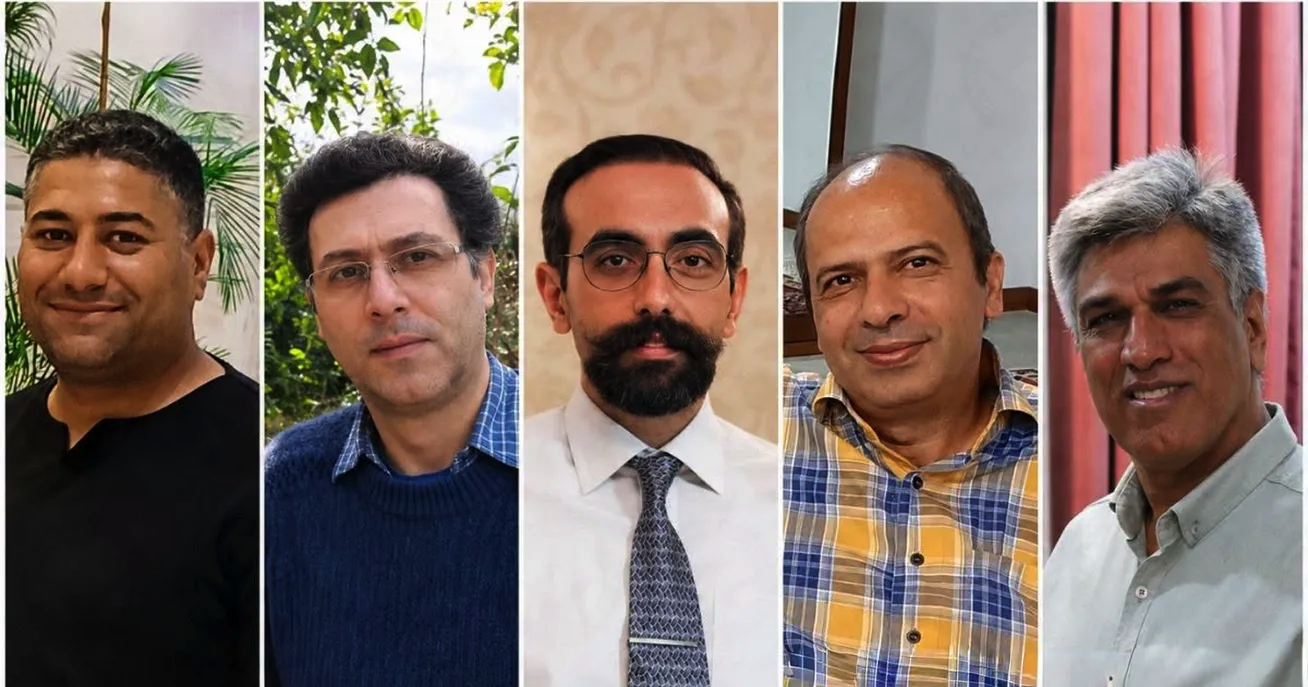
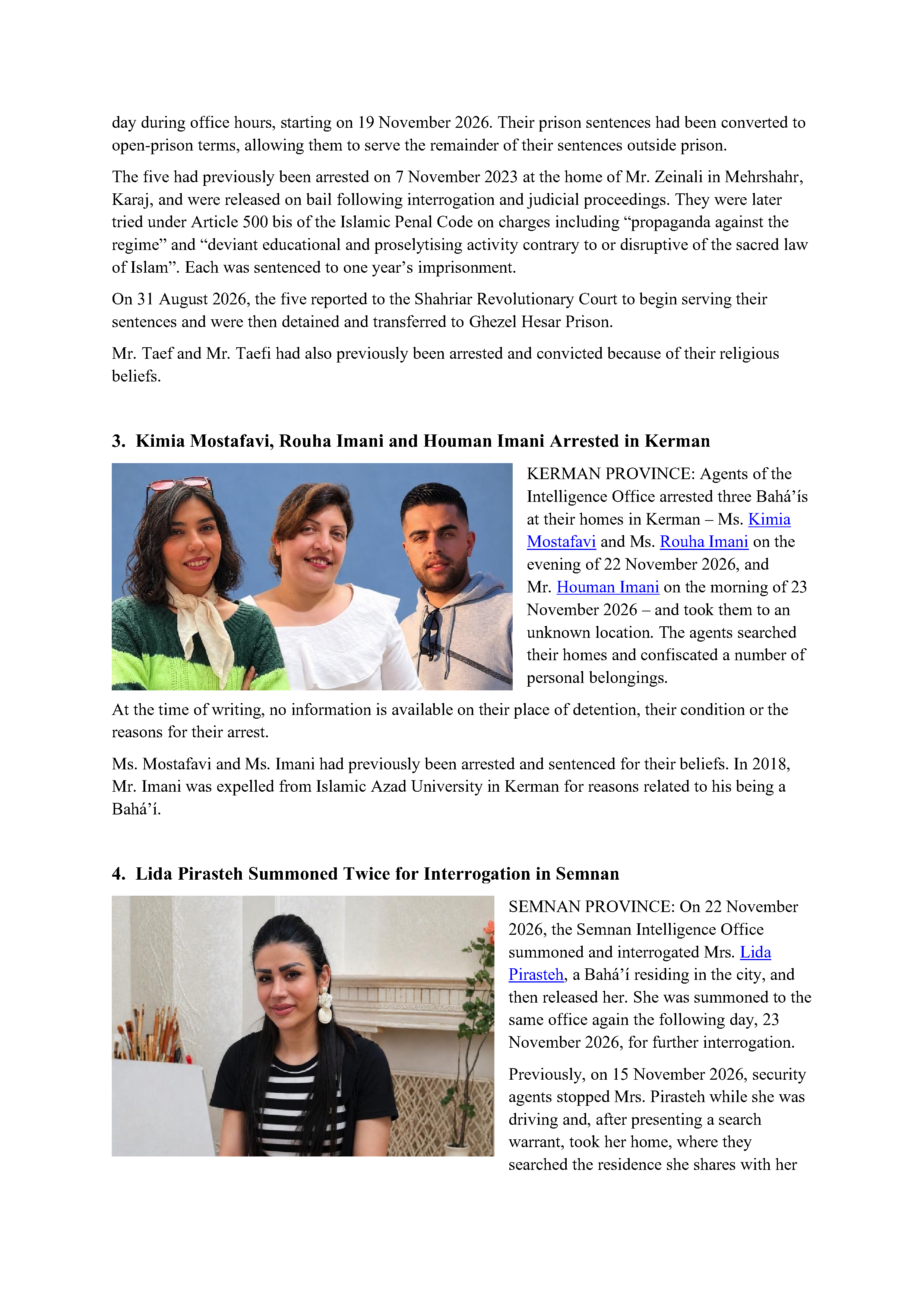
ALBORZ PROVINCE: Five Bahá’ís who were released from Ghezel Hesar Prison on 16 November 2026 – Mr. Babak Zeinali, Mr. Sahba Taef, Mr. Foad Taefi, Mr. Shervin Shabrokh and Mr. Ali Bagherkashi – are required, as a condition of their release, to carry out tasks such as cleaning and gardening on the grounds of the same prison every day during office hours, starting on 19 November 2026. Their prison sentences had been converted to open-prison terms, allowing them to serve the remainder of their sentences outside prison.
The five had previously been arrested on 7 November 2023 at the home of Mr. Zeinali in Mehrshahr, Karaj, and were released on bail following interrogation and judicial proceedings. They were later tried under Article 500 bis of the Islamic Penal Code on charges including “propaganda against the regime” and “deviant educational and proselytising activity contrary to or disruptive of the sacred law of Islam”. Each was sentenced to one year’s imprisonment.
On 31 August 2026, the five reported to the Shahriar Revolutionary Court to begin serving their sentences and were then detained and transferred to Ghezel Hesar Prison.
Mr. Taef and Mr. Taefi had also previously been arrested and convicted because of their religious beliefs.
3. Kimia Mostafavi, Rouha Imani and Houman Imani Arrested in Kerman
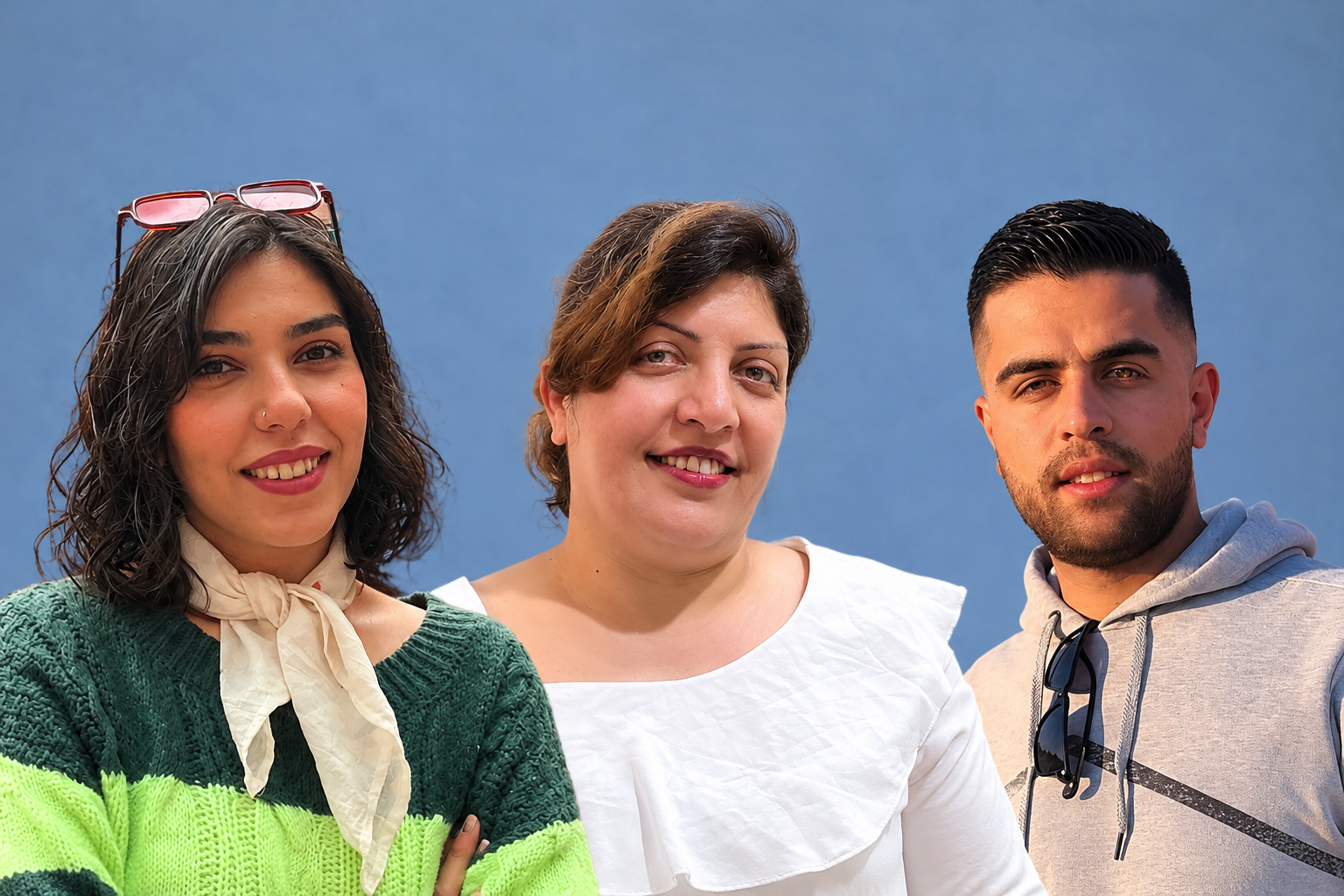
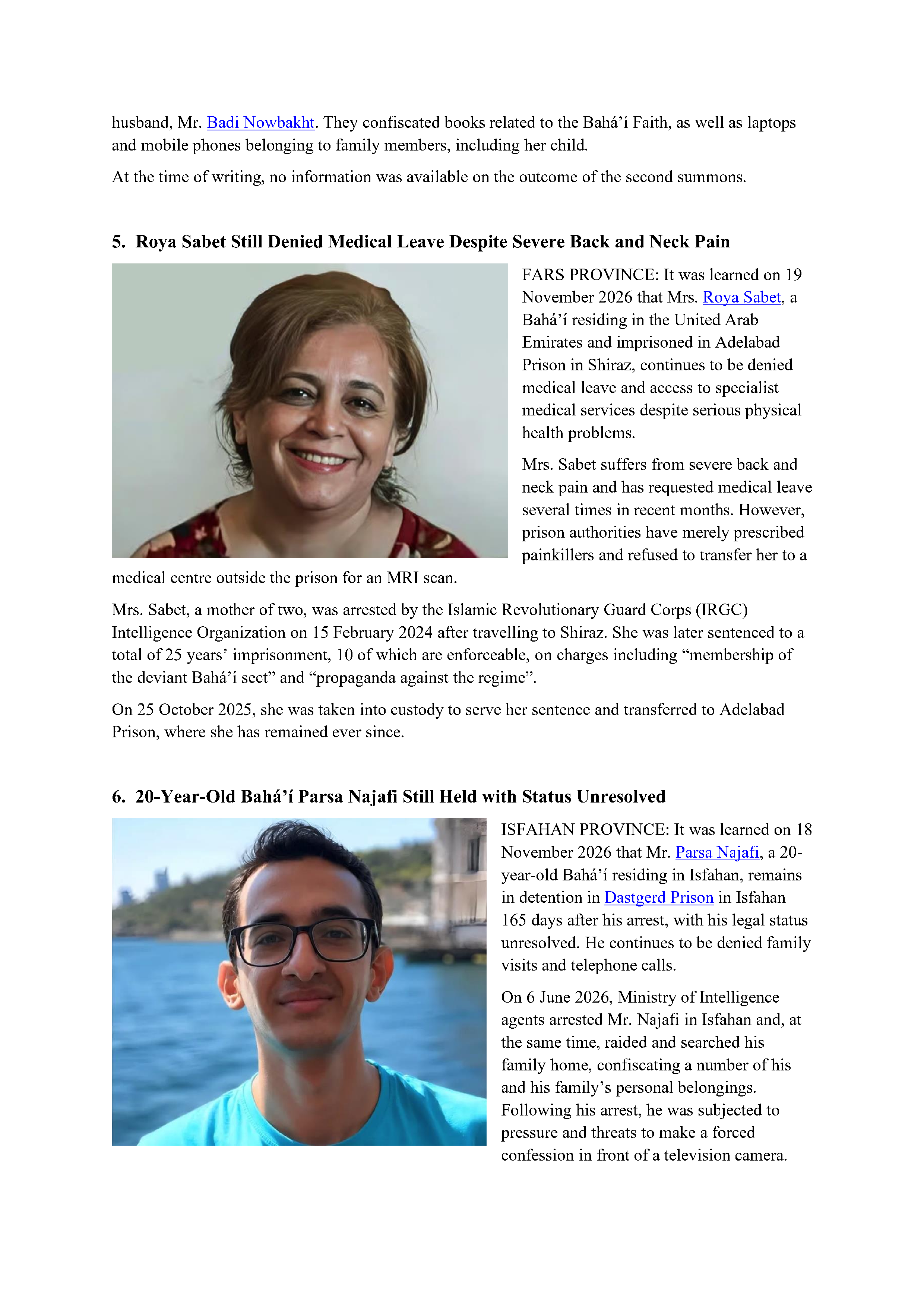
KERMAN PROVINCE: Agents of the Intelligence Office arrested three Bahá’ís at their homes in Kerman – Ms. Kimia Mostafavi and Ms. Rouha Imani on the evening of 22 November 2026, and Mr. Houman Imani on the morning of 23 November 2026 – and took them to an unknown location. The agents searched their homes and confiscated a number of personal belongings.
At the time of writing, no information is available on their place of detention, their condition or the reasons for their arrest.
Ms. Mostafavi and Ms. Imani had previously been arrested and sentenced for their beliefs. In 2018, Mr. Imani was expelled from Islamic Azad University in Kerman for reasons related to his being a Bahá’í.
4. Lida Pirasteh Summoned Twice for Interrogation in Semnan
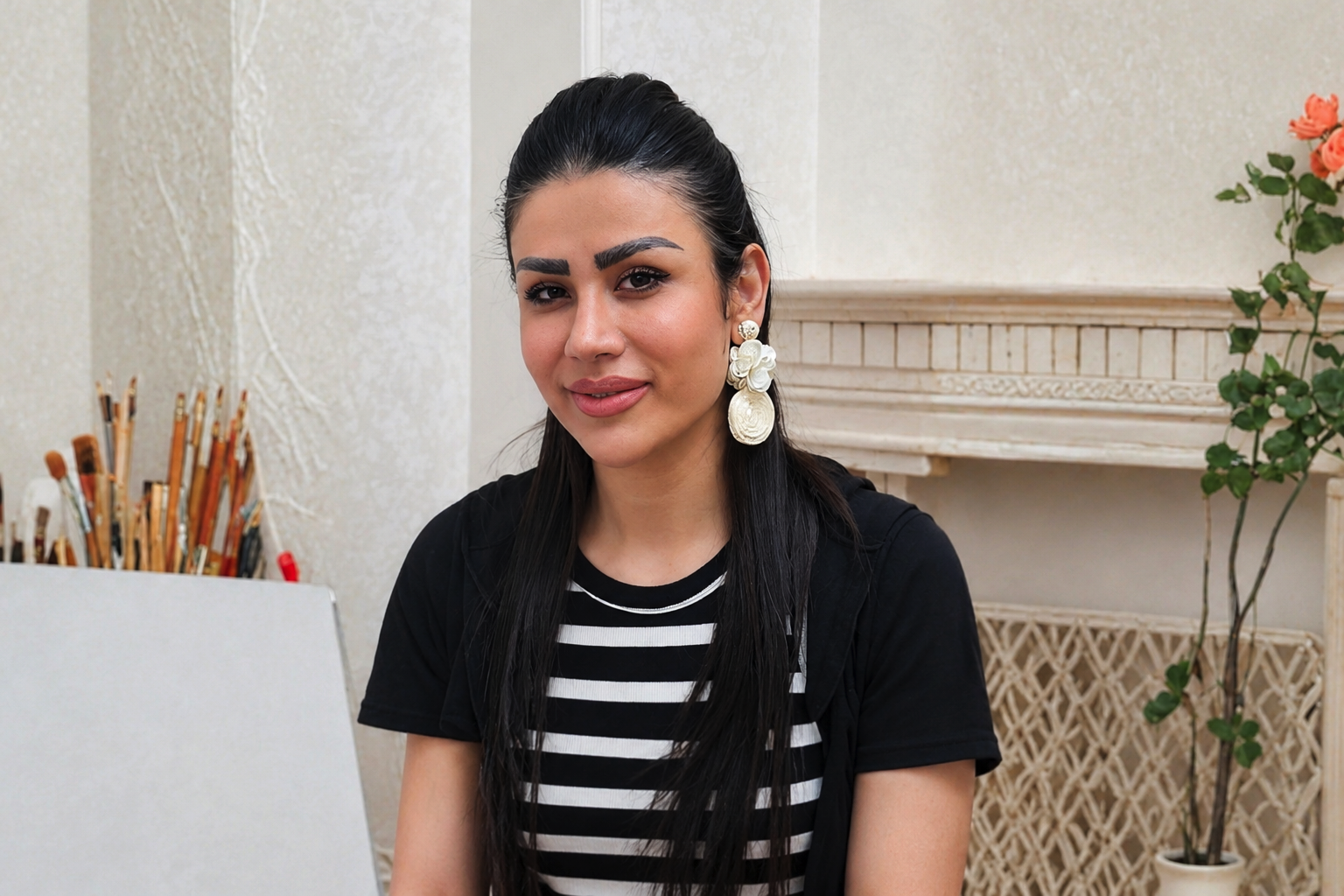
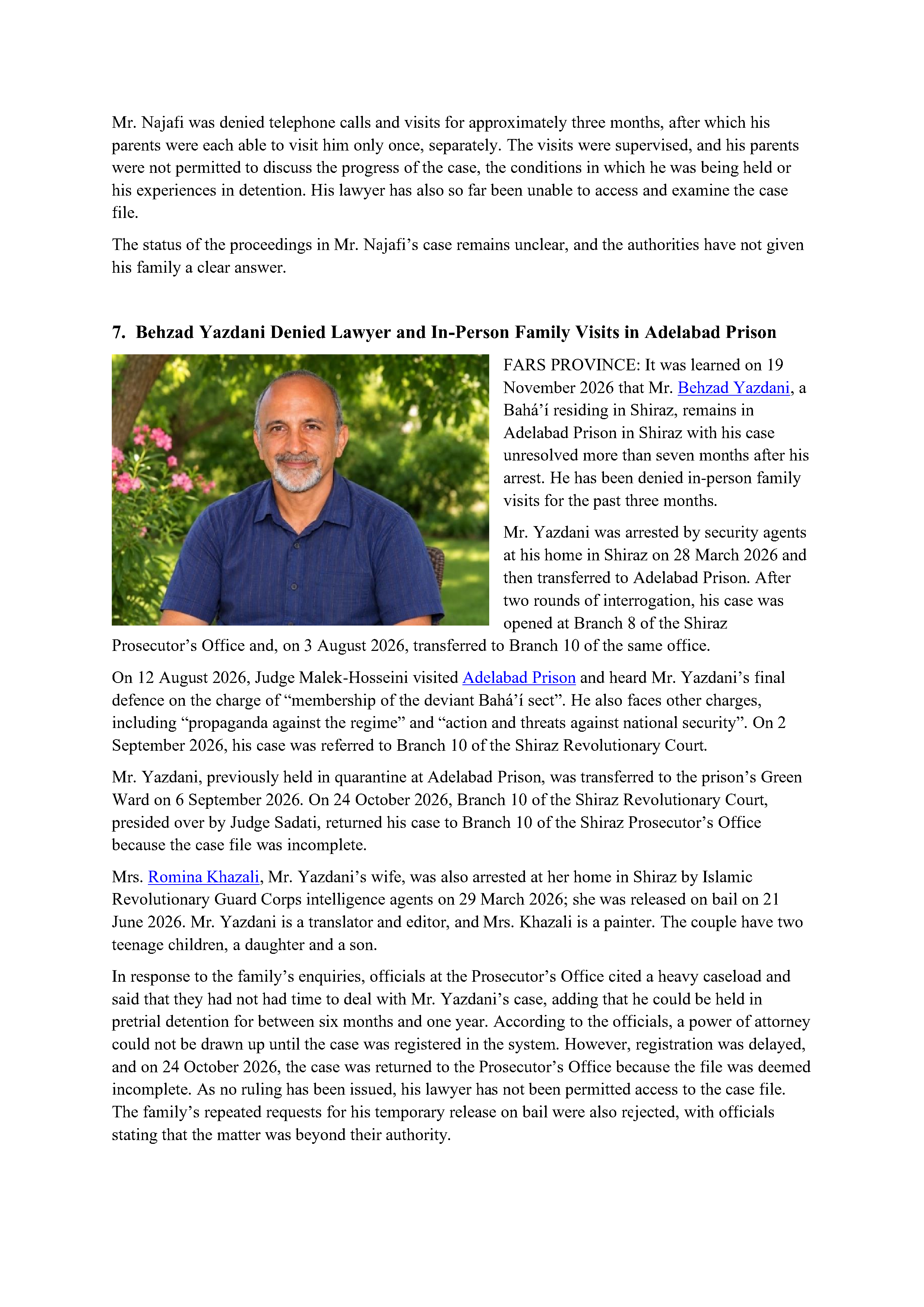
SEMNAN PROVINCE: On 22 November 2026, the Semnan Intelligence Office summoned and interrogated Mrs. Lida Pirasteh, a Bahá’í residing in the city, and then released her. She was summoned to the same office again the following day, 23 November 2026, for further interrogation.
Previously, on 15 November 2026, security agents stopped Mrs. Pirasteh while she was driving and, after presenting a search warrant, took her home, where they searched the residence she shares with her husband, Mr. Badi Nowbakht. They confiscated books related to the Bahá’í Faith, as well as laptops and mobile phones belonging to family members, including her child.
At the time of writing, no information was available on the outcome of the second summons.
5. Roya Sabet Still Denied Medical Leave Despite Severe Back and Neck Pain

FARS PROVINCE: It was learned on 19 November 2026 that Mrs. Roya Sabet, a Bahá’í residing in the United Arab Emirates and imprisoned in Adelabad Prison in Shiraz, continues to be denied medical leave and access to specialist medical services despite serious physical health problems.
Mrs. Sabet suffers from severe back and neck pain and has requested medical leave several times in recent months. However, prison authorities have merely prescribed painkillers and refused to transfer her to a medical centre outside the prison for an MRI scan.
Mrs. Sabet, a mother of two, was arrested by the Islamic Revolutionary Guard Corps (IRGC) Intelligence Organization on 15 February 2024 after travelling to Shiraz. She was later sentenced to a total of 25 years’ imprisonment, 10 of which are enforceable, on charges including “membership of the deviant Bahá’í sect” and “propaganda against the regime”.
On 25 October 2025, she was taken into custody to serve her sentence and transferred to Adelabad Prison, where she has remained ever since.
6. 20-Year-Old Bahá’í Parsa Najafi Still Held with Status Unresolved
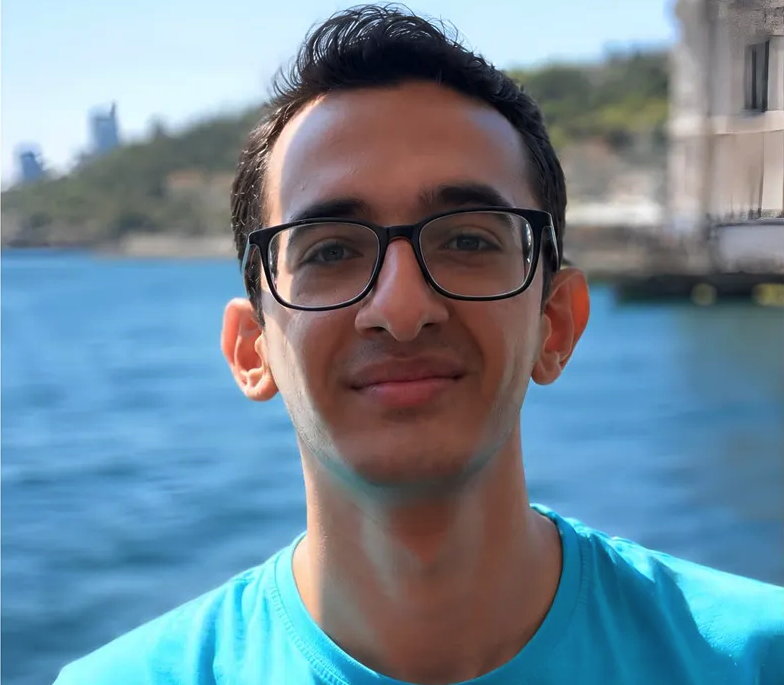
ISFAHAN PROVINCE: It was learned on 18 November 2026 that Mr. Parsa Najafi, a 20-year-old Bahá’í residing in Isfahan, remains in detention in Dastgerd Prison in Isfahan 165 days after his arrest, with his legal status unresolved. He continues to be denied family visits and telephone calls.
On 6 June 2026, Ministry of Intelligence agents arrested Mr. Najafi in Isfahan and, at the same time, raided and searched his family home, confiscating a number of his and his family’s personal belongings. Following his arrest, he was subjected to pressure and threats to make a forced confession in front of a television camera.
Mr. Najafi was denied telephone calls and visits for approximately three months, after which his parents were each able to visit him only once, separately. The visits were supervised, and his parents were not permitted to discuss the progress of the case, the conditions in which he was being held or his experiences in detention. His lawyer has also so far been unable to access and examine the case file.
The status of the proceedings in Mr. Najafi’s case remains unclear, and the authorities have not given his family a clear answer.
7. Behzad Yazdani Denied Lawyer and In-Person Family Visits in Adelabad Prison
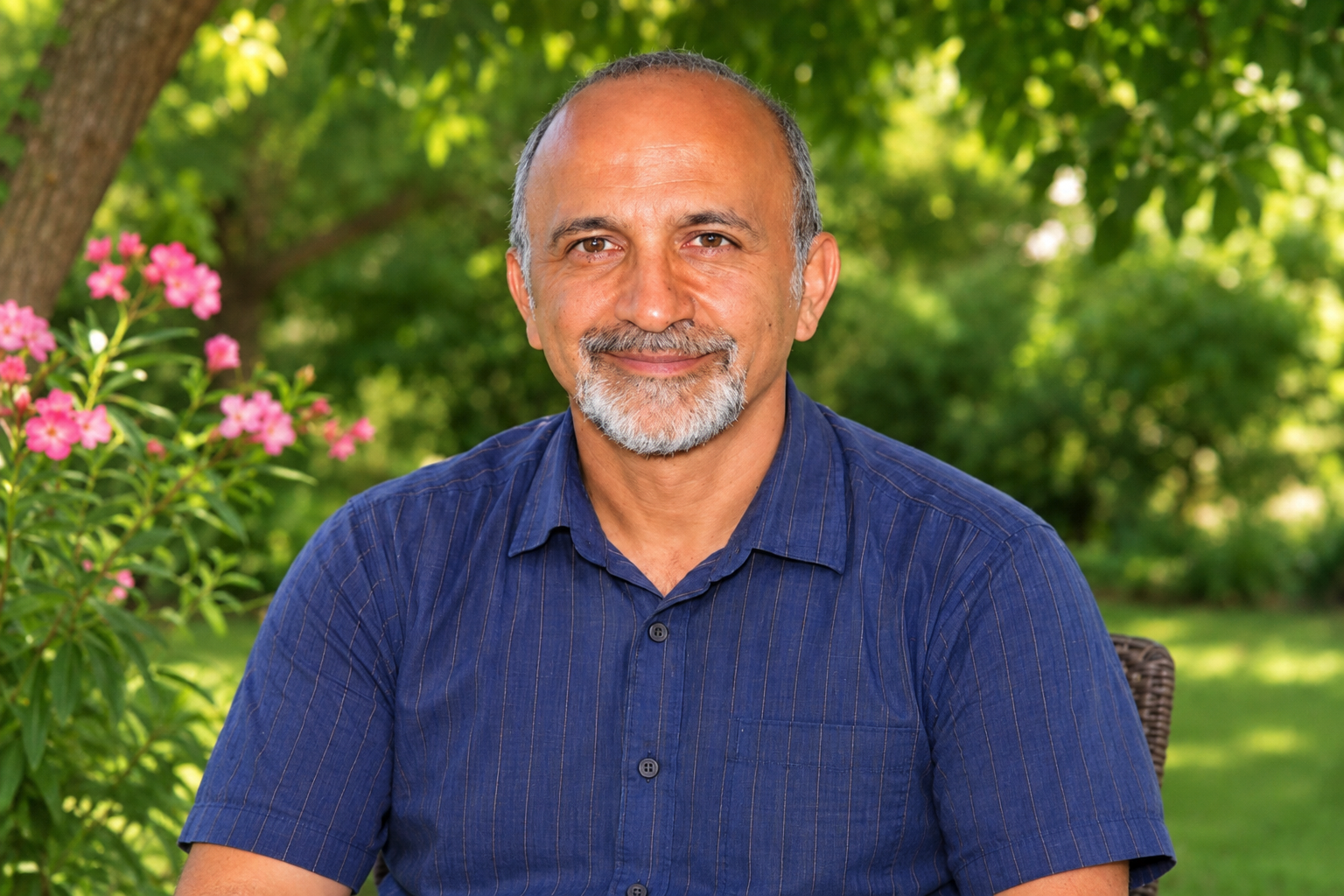
FARS PROVINCE: It was learned on 19 November 2026 that Mr. Behzad Yazdani, a Bahá’í residing in Shiraz, remains in Adelabad Prison in Shiraz with his case unresolved more than seven months after his arrest. He has been denied in-person family visits for the past three months.
Mr. Yazdani was arrested by security agents at his home in Shiraz on 28 March 2026 and then transferred to Adelabad Prison. After two rounds of interrogation, his case was opened at Branch 8 of the Shiraz Prosecutor’s Office and, on 3 August 2026, transferred to Branch 10 of the same office.
On 12 August 2026, Judge Malek-Hosseini visited Adelabad Prison and heard Mr. Yazdani’s final defence on the charge of “membership of the deviant Bahá’í sect”. He also faces other charges, including “propaganda against the regime” and “action and threats against national security”. On 2 September 2026, his case was referred to Branch 10 of the Shiraz Revolutionary Court.
Mr. Yazdani, previously held in quarantine at Adelabad Prison, was transferred to the prison’s Green Ward on 6 September 2026. On 24 October 2026, Branch 10 of the Shiraz Revolutionary Court, presided over by Judge Sadati, returned his case to Branch 10 of the Shiraz Prosecutor’s Office because the case file was incomplete.
Mrs. Romina Khazali, Mr. Yazdani’s wife, was also arrested at her home in Shiraz by Islamic Revolutionary Guard Corps intelligence agents on 29 March 2026; she was released on bail on 21 June 2026. Mr. Yazdani is a translator and editor, and Mrs. Khazali is a painter. The couple have two teenage children, a daughter and a son.
In response to the family’s enquiries, officials at the Prosecutor’s Office cited a heavy caseload and said that they had not had time to deal with Mr. Yazdani’s case, adding that he could be held in pretrial detention for between six months and one year. According to the officials, a power of attorney could not be drawn up until the case was registered in the system. However, registration was delayed, and on 24 October 2026, the case was returned to the Prosecutor’s Office because the file was deemed incomplete. As no ruling has been issued, his lawyer has not been permitted access to the case file. The family’s repeated requests for his temporary release on bail were also rejected, with officials stating that the matter was beyond their authority.
8. Current Prisoner Population Details
MULTIPLE PROVINCES: Based on available confirmed information as of 24 November 2026, the BIC has verified that 62 Bahá’ís are currently detained or imprisoned solely for their beliefs in multiple locations across Iran. Of these, 35 are women and 27 are men. They are held in standard prisons, intelligence detention centres, IRGC-run facilities, and, in some cases, unknown locations. Many have been exposed to physical and psychological abuse, including lengthy, abusive interrogations, prolonged solitary confinement, beatings, electric-shock torture, mock executions, forced confessions, and denial of access to essential medical treatment and medication.
In addition to the 62 individuals physically incarcerated, at least 25 others are currently serving sentences outside prison under electronic monitoring or temporarily on leave.
The detainees are located in Dowlatabad Prison in Isfahan, Vakilabad Prison in Mashhad, Hamadan Prison, Kachouei Prison in Karaj, Kerman Prison, Central Prison of Karaj, Evin and Fashafuyeh (Greater Tehran) Prisons in Tehran, Bukan Prison, Semnan Prison, Adelabad Prison in Shiraz, Dastgerd Prison in Isfahan, Yazd Prison, Qarchak Prison in Varamin, and Zahedan Prison. A number of the detained individuals are being held in undisclosed locations, raising serious concerns regarding transparency, due process, and access to legal representation.
Women constitute the majority of those detained, and several detainees are held in facilities operated by the IRGC or intelligence services, indicating the security-related nature of these cases and their apparent connection solely to the detainees’ religious beliefs.